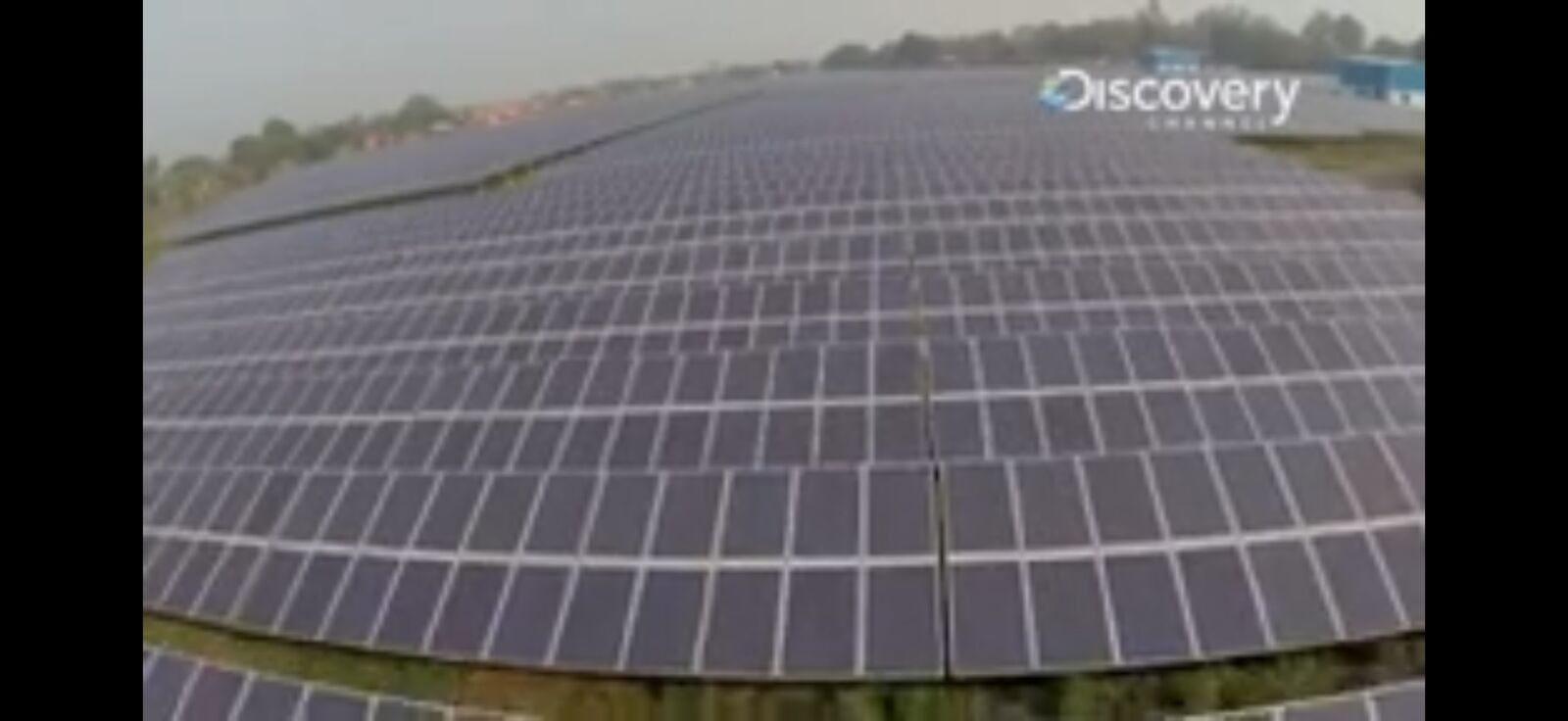
India's first SECI tender for solar power was for 5 MW.
Enthusiasm across the industry was low, the math still looked early, and most established players watched the auction cautiously. Su-Kam bid for 3 MW. That 3 MW is where megawatt-scale solar in India quietly began.
To understand why this matters, you have to first understand what India looked like at that moment. Solar was theoretically the future and practically a luxury. Panel prices were high. Bankability was unproven. There were no track-record installations to point to and very few engineers who had built one at megawatt scale. The Solar Energy Corporation of India (SECI) had just opened a tender — its first — for 5 MW of solar generation. It was meant to be the start of a new market — and it began, as new markets often do, with quiet hesitation rather than a rush.
Many companies that had publicly championed solar for years approached the tender cautiously. Established power players with the balance sheet to absorb the risk chose to wait it out. The few that did sit down with the math found the numbers not yet inviting. The cost economics were still tight. The execution risk was real. And the customer for megawatt-scale solar in India was, at that moment, still being imagined.
Kunwer Sachdev decided to bid anyway.
Not for the full 5 MW — even by his standards, that would have been a step too far. Su-Kam bid for 3 MW. The partial bid was disciplined: large enough to be meaningful, small enough to be survivable if the wider industry's caution turned out to be right. It was a careful first-mover's risk management. The bid went in, the wider hesitation held, and Su-Kam walked away with the contract — the lone serious bidder in a field that had been designed for many.
The Quiet Beginning
Why this 3 MW mattered more than its size
Three megawatts in India today is a number that does not turn heads. In a country that has crossed 80 GW of solar, a 3 MW project is, on paper, almost a footnote. But the value of a first project is never its size — it is the question it answers.
The question Su-Kam's 3 MW SECI bid answered was the one that mattered most at that moment: can an Indian company actually deliver megawatt-scale solar? Not import it. Not subcontract it. Not write a press release about it. Actually engineer, install, integrate, commission and operate it. Until that question had a real-world answer, Indian solar was still largely a thought experiment. The day Su-Kam's bid was accepted, it stopped being a thought experiment.
The execution itself was, for everyone involved, a baptism. There were no off-the-shelf playbooks for MW solar in India. Inverter sizing, string design, BOS components, monitoring software, switchgear protection, cable routing across an Indian site in Indian heat — every one of these was a problem somebody at Su-Kam had to solve from first principles. Su-Kam already had decades of inverter and power-electronics expertise; that head start was the difference between trying and shipping.
And shipping, in this story, is the entire point. The 3 MW went up. The plant generated. The numbers held. The model worked. And the moment it worked once, the question every other Indian company had been hesitant to take on suddenly had a public, cited, reproducible answer.
The Wider Solar Footprint
What Su-Kam built around the SECI bet
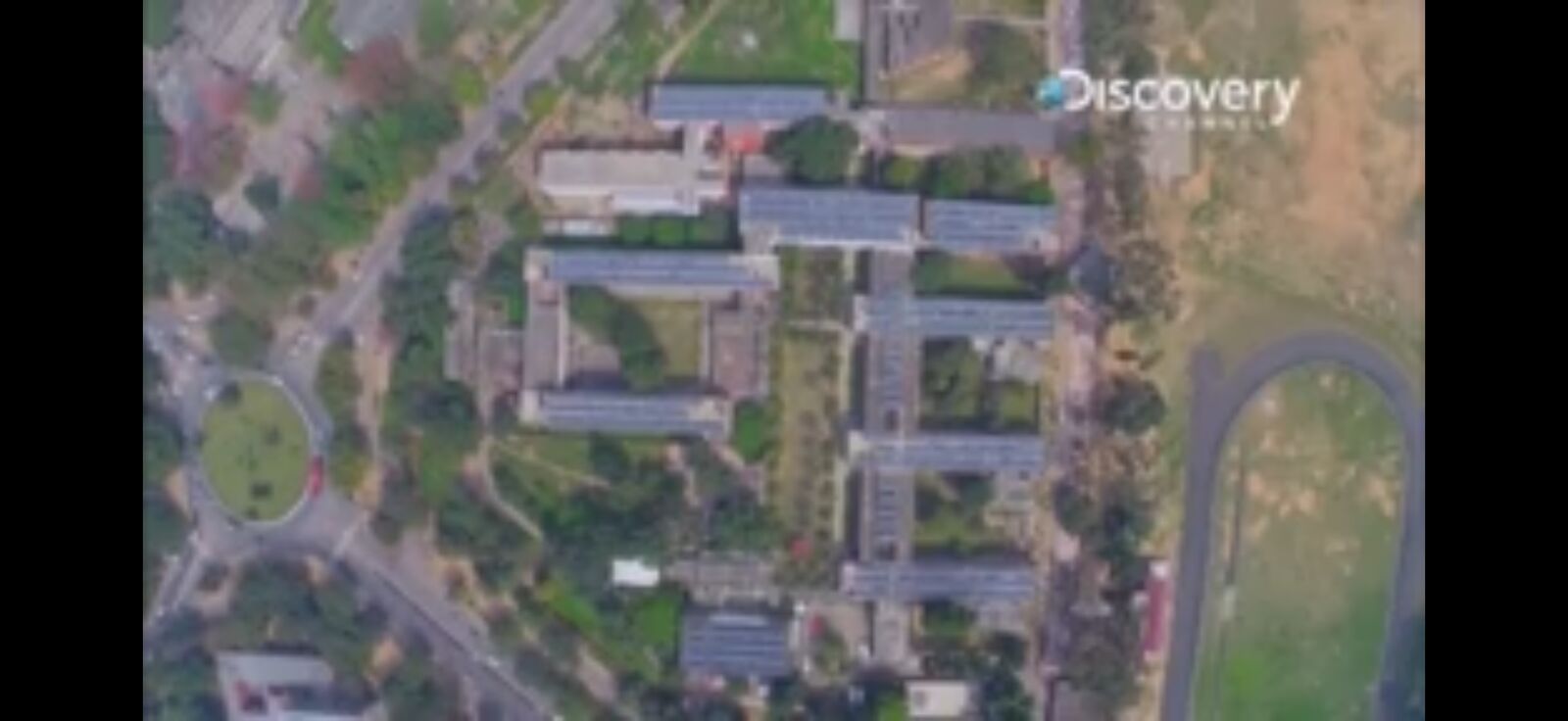
The SECI 3 MW project was a starting point, not an isolated event. Around it, Su-Kam was already building one of India's most stubborn solar product portfolios. India's first 1 MW solar power project at Punjab Engineering College (PEC), Chandigarh had set the template for institutional rooftop solar in the country — design, engineer, install, monitor, maintain. The Hindu BusinessLine tracked the demand curve as rooftop solar PCUs started moving from showrooms to actual roofs. BusinessWorld recorded Kunwer's central argument from those years — that solar would only scale in India if it was made affordable on the same shelf as an inverter.
The stubbornness took different forms. Su-Kam took solar lighting to the India–Pakistan border posts manned by the BSF. Mini solar plants were inaugurated in constituencies with Dr. A.P.J. Abdul Kalam doing the honours.
Su-Kam signed a solar storage alliance with Trojan Battery, partnered with Tata Power Delhi for distributed solar in the capital, and pushed solar into petrol pumps, schools, and rural cold-chain depots.

And then there was Sun Fuel — the Su-Kam solar story documented by the Discovery Channel. For a category that the world still saw as panels-on-a-roof, Sun Fuel framed solar the way Kunwer always had: as a fuel, like petrol or diesel, except free, infinite, and Indian. The film did for solar awareness what the plastic-body cabinet had done for inverter safety years earlier — it changed the way ordinary Indians pictured the product.
The Lesson
What contrarian bids in dead markets actually buy you
It is easy, with hindsight, to call Su-Kam's 3 MW SECI bid a courageous and obvious move. At the time it was neither. It was a bet that ran ahead of the wider industry's quiet judgment. The judgment turned out to be wrong, but the people making it were not stupid — they were rational. The numbers really did not look good in the spreadsheets of 2010-era India.
What Su-Kam saw that the spreadsheets did not was the second-order effect. The first MW project in any country is not a project. It is a precedent. It tells the next ten companies that the engineering can be done. It tells the next twenty financiers that the asset class can be financed. It tells the next government tender that there is at least one Indian bidder who has shown up, executed, and survived. The first project's economics are almost always bad. The first project's job is not to be profitable. The first project's job is to make every project after it possible.
That is the part Kunwer leaned into when much of the industry, in those early SECI years, was still waiting. India today has gigawatts of solar in part because the path was first walked at megawatt scale by a company that was willing to walk it before the road was widely seen. The SECI 3 MW was not a triumph of technology. It was a triumph of showing up.
The country that turned out to be one of the world's largest solar markets did not, in those first months, look like one. It took someone willing to bid 3 MW into a hesitant market to start the conversation. The conversation has, ever since, never stopped.
Editorial Note · Independent Coverage
This article is part of an independent editorial series on invertermanofindia.com. It is written by the site's editorial team, drawing on first-person recollections from associates who worked at Su-Kam during this period, on the publicly reported press coverage cited above, and on the founder's own account in a video conversation available here. It is not authored, ghost-written, edited or approved by Mr. Kunwer Sachdev, by any company he was previously associated with, or by any company he is currently associated with. The views, framing and interpretations in this article are the editors' alone.
Disclaimer
Mr. Kunwer Sachdev, the original founder and visionary behind Su-Kam, is no longer associated with Su-Kam Power Systems Ltd. He has not been involved in the management, operations, or decision-making of the company for several years. Any products, services, communications, or representations made under the Su-Kam name have no connection to Mr. Kunwer Sachdev. His current efforts are entirely focused on new innovations and ventures under different entities, including his latest initiative, Su-vastika, which is redefining the energy storage and power backup industry.