By a former associate · the chronicle
Every product, partnership and turning point — grouped by the era in which it happened. Click any card to read what was going on in the room when it was built.
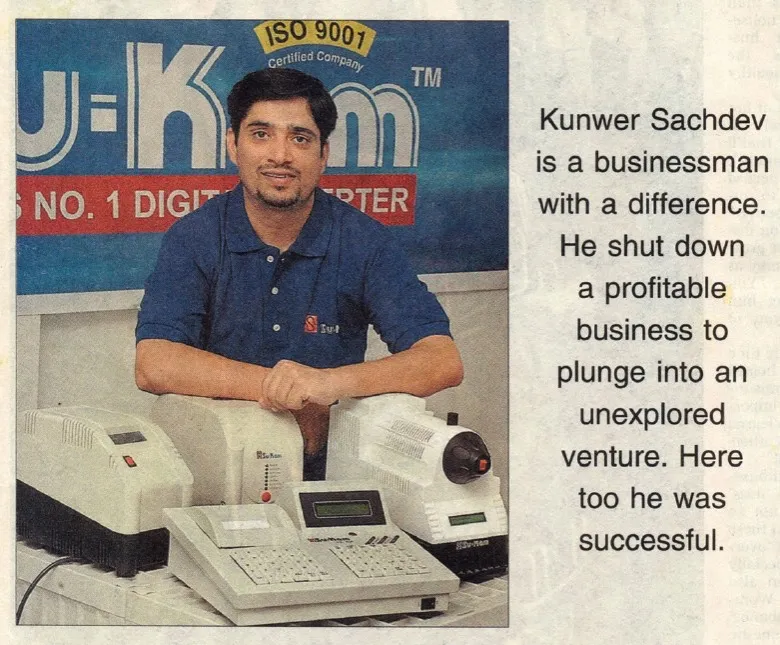
Shared antenna systems for hotels and apartments — Kunwer Sachdev's very first product category, before any of the inverter work.
Read this chapter →
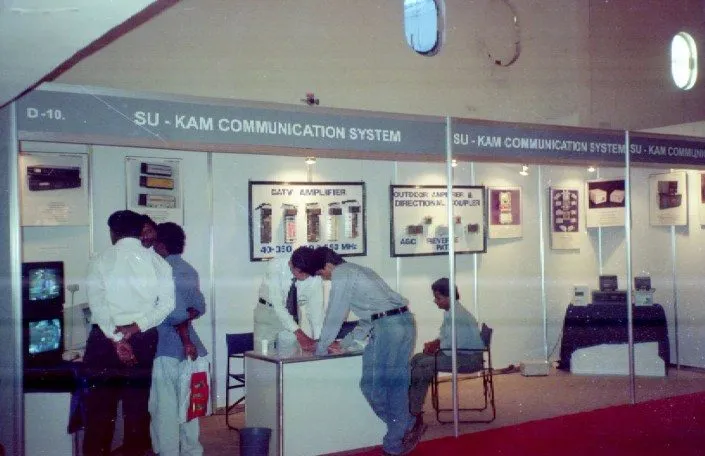
Manufactured in-house amplifiers and modulators for cable TV signal distribution across buildings.
Read this chapter →
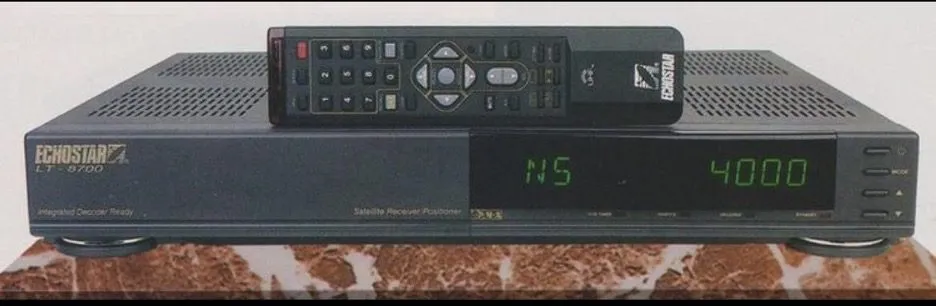
India distributor for EchoStar USA — installed dish systems at the PM's house and every military chief's residence.
Read this chapter →
Ran a cable TV service at Subroto Park — building lasting contacts across Army, Navy, and Air Force.
Read this chapter →

Single-battery design, black chassis, modular board — completely different from anything in the market in 1998.
Read this chapter →
The very first product brochure for a Su-Kam inverter — also the first newspaper coverage the product received.
Read this chapter →
An inverter-based electronic alternative to diesel generators for small commercial loads.
Read this chapter →
GE Plastics partnership, 120°C-rated PC ABS body, India Today innovation award. Stayed in homes for 20 years.
Read this chapter →
Designed like a locomotive engine for bedrooms — built for beauty, undone by packaging. The most instructive failure of the inverter era.
Read this chapter →
Two R&D teams competing, DSP vs microcontroller — the result eliminated the appliance hum from Indian homes.
Read this chapter →
First pure sinewave UPS for home computers in India — compact, long backup, zero switchover gap.
Read this chapter →
Seamless switchover — kept computers and TVs running without a flicker. Every competitor adopted the name within a year.
Read this chapter →
Replaced traditional voltage stabilisers — protected home appliances from surges, dips and spikes.
Read this chapter →
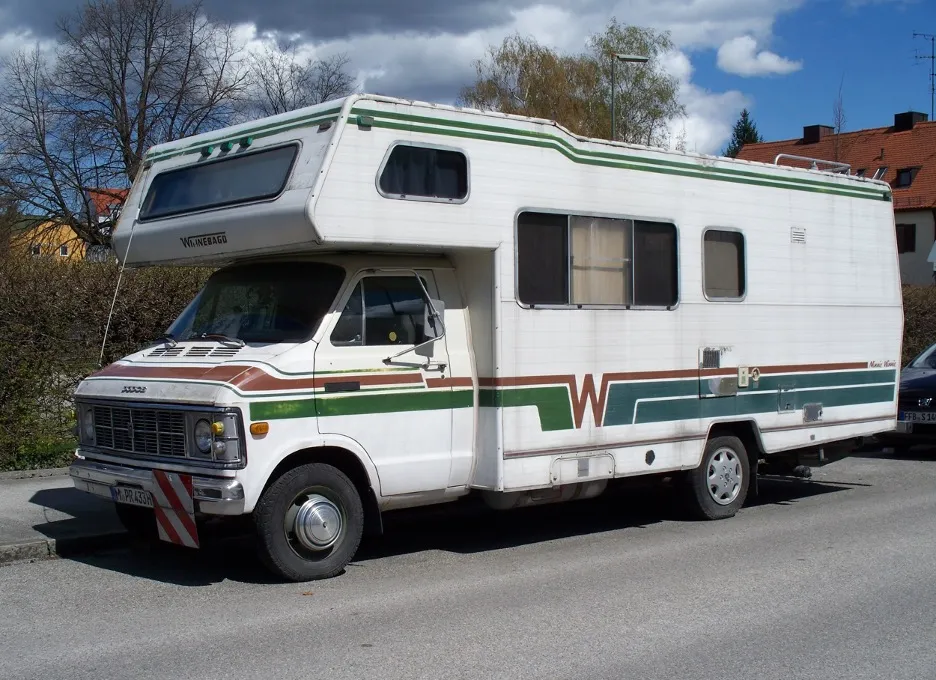
5KVA and above — disrupted the small generator market. The proof was taken on a demo truck that toured across India.
Read this chapter →
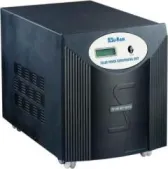
Power Conditioning Unit with a full touch-screen interface — years ahead of what competitors were offering.
Read this chapter →
Inverter built directly into the electrical distribution board — invisible installation, zero extra space needed.
Read this chapter →
IP67-rated inverter built for Escorts Tractors — reliable power for farmers in remote areas, designed to survive dust, mud and monsoon.
Read this chapter →
A range of automotive batteries for trucks, tractors and commercial vehicles.
Read this chapter →
Hardened backup power for telecom towers — critical infrastructure where failure means network blackout.
Read this chapter →
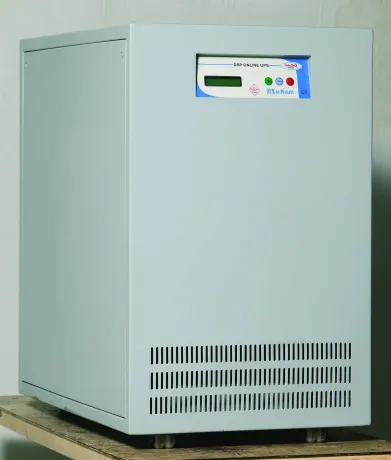
Partnership with Israel's Gamatronic — first domestic manufacture of double-conversion online UPS in India, for data centres and critical loads.
Read this chapter →
Multi-light kit with radio and phone charging — engineered to outperform Chinese competitors on features and reliability.
Read this chapter →
Power Conditioning Unit for off-grid solar — the company's entry into India's rural electrification mission.
Read this chapter →
Solar-powered pumps replacing diesel across Indian agriculture — built and deployed at scale.
Read this chapter →
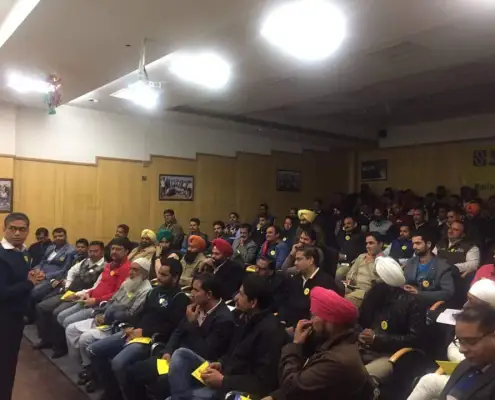
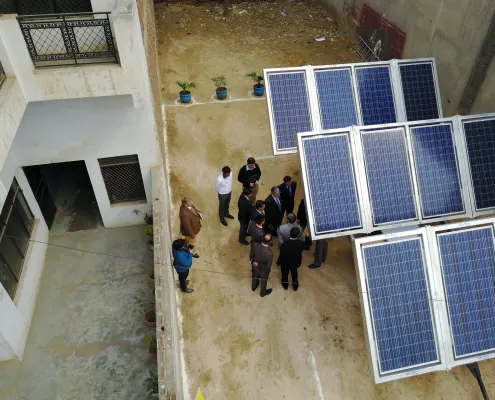
100W per home, fan + 2 lights + mobile charging — deployed in remote UP villages with zero grid access.
Read this chapter →
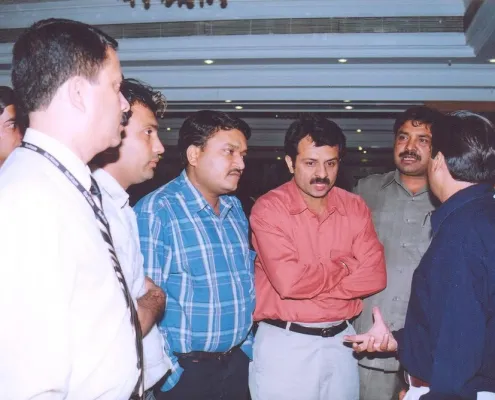
Among the first companies in India selected by SECI for a 2MW solar allocation — before solar was mainstream.
Read this chapter →
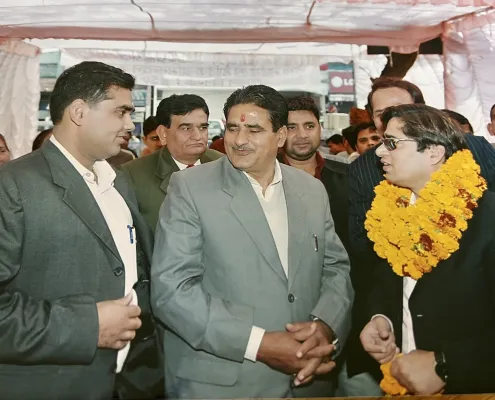
Two landmark commercial solar installations — overcoming shadowing challenges and scope changes to deliver.
Read this chapter →
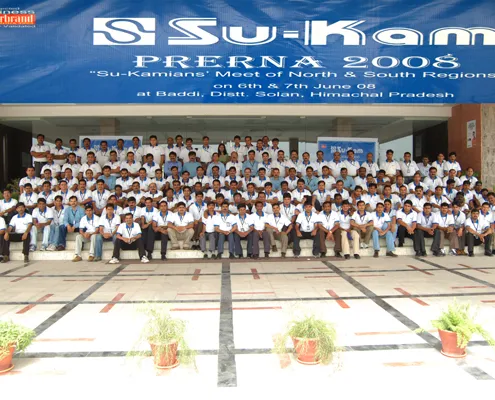
Solarised the IFFCO national headquarters — despite on-site theft of materials, completed and commissioned.
Read this chapter →
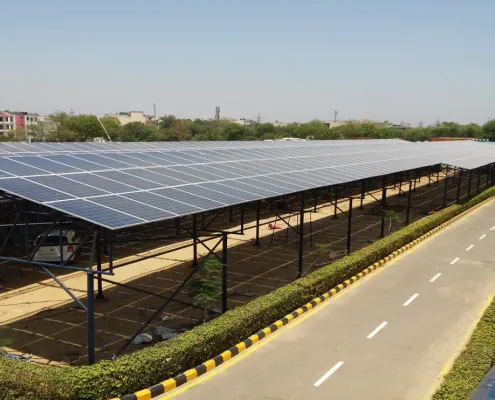
Full building solarisation with car park solar shed — reduced electricity bill by 70%.
Read this chapter →
Off-grid DC systems for hundreds of homes in remote UP villages — 100W per house, lights, fan, mobile charging.
Read this chapter →

The first northeast solar project — 600KW grid-connected installation, launching expansion across all 7 NE states.
Read this chapter →
Joint venture with REIL — 100–150KW off-grid systems at 7 Assam Rifles locations, eliminating diesel dependency.
Read this chapter →
Three 250KW mini-grid installations connecting 5–6 villages each — the largest rural electrification project.
Read this chapter →
Foldable solar system for the Indian Army — deploy anywhere, generate power in the field, pack and move. Over a year in engineering.
Read this chapter →
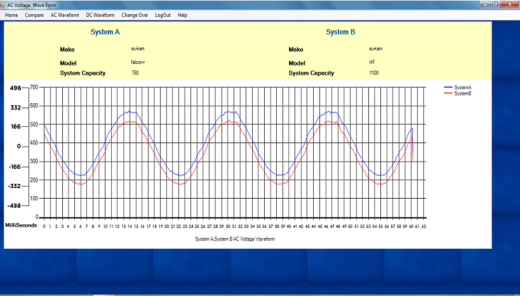
Remote monitoring, app control, and smart load management — when nobody else in India was building connected inverters.
Read this chapter →
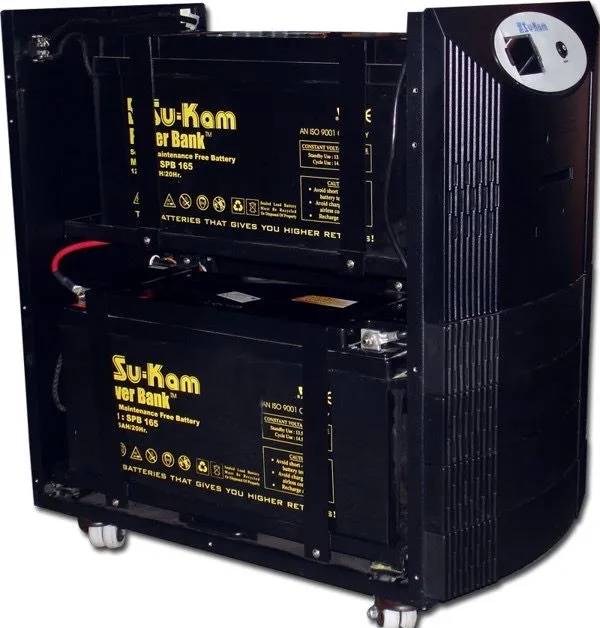
Automatic battery maintenance system — extended lead-acid battery life and eliminated manual topping.
Read this chapter →
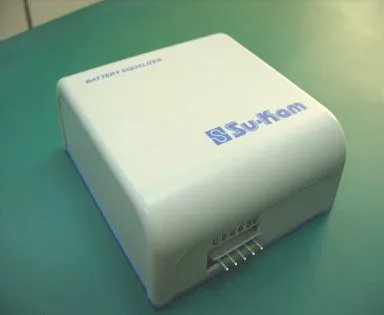
Equalisation technology for battery banks — pioneered in 2005 when premature battery failures were costing customers thousands.
Read this chapter →
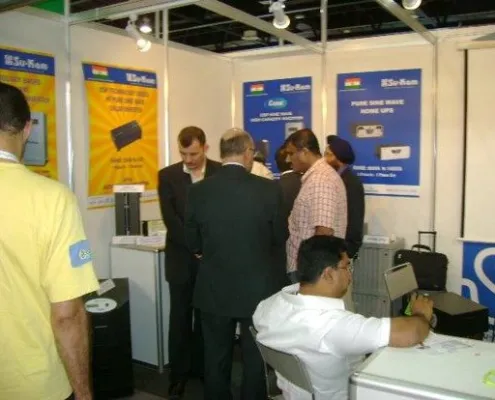
Moved manufacturing from through-hole to Surface Mount Device PCBs — smaller, faster, more reliable. Became the industry standard.
Read this chapter →Made in India
In-house engineering lab with 100+ engineers — where India's first sinewave inverter and first solar PCU were designed.
Read this chapter →

An in-house solar panel plant — manufacturing crystalline PV modules domestically when imports dominated the market.
Read this chapter →
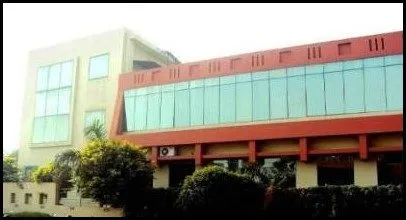
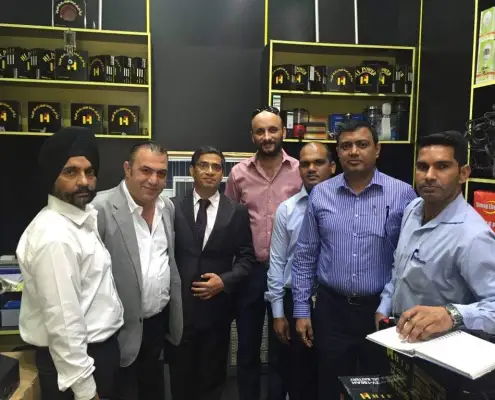
Started with one inverter in a suitcase to Lagos. Grew to 70 countries. Nobody in India's inverter industry had tried it before.
Read this chapter →Awards & Recognition
Awarded for the Chic plastic inverter — the first consumer electronics design award ever given to an inverter company.
Read this chapter →
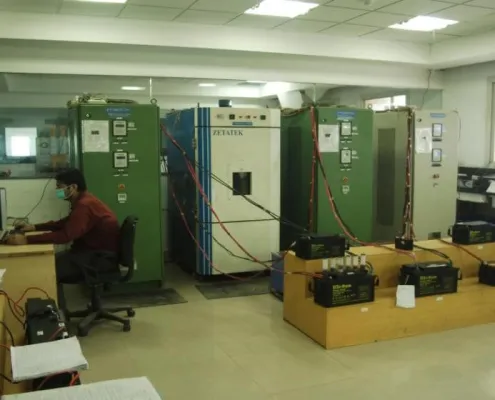
Featured as a defining force in India's power sector — recognising the role in creating the home inverter market.
Read this chapter →
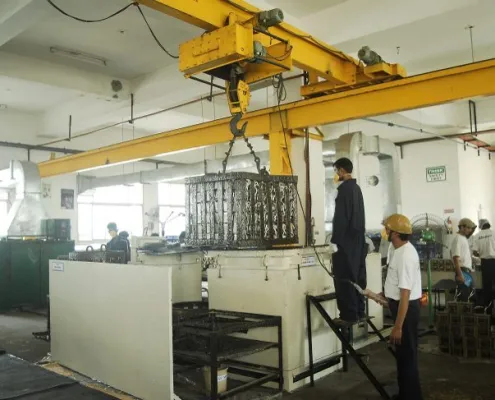
Discovery Channel India produced a documentary on the solar mission — the first such feature on an Indian inverter brand.
Read this chapter →
Patents covering sinewave technology, battery management, solar PCUs, IoT inverters, and original industrial designs.
Read this chapter →The capital that was supposed to take the company to the next stage — and the way it actually unfolded.
Read this chapter →The customs case that taught the team what international trade really costs when one document is missing.
Read this chapter →After NCLT, after the depression, after the silence — what made one founder decide to write everything down.
Read this chapter →✍️
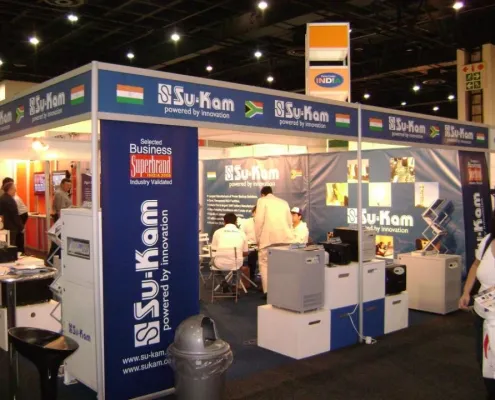
The chronicle is being added to continuously. New chapters on the dealer-meet years, the international exhibitions, and the quieter rebuilding work — coming as they are written.