Life at Su-Kam — The Culture That Quietly Won Three HR Awards in a Row
There is a second SlideShare deck the Su-Kam company account uploaded back in the day, and it is even more revealing than the awards deck. It is called “A Review of Life at Su-Kam!”, it runs to nineteen mostly-photographic slides, and on a first reading it looks like an HR PowerPoint a junior executive might have stitched together for a college recruitment fair. (SlideShare — A Review of Life at Su-Kam; the parent company Su-Kam Power Systems Ltd on Wikipedia)
It is, in fact, the field evidence behind the trophy that lives quietly at the back of the awards cabinet — the Amity HR Growth Award, won three years in a row. Nobody in the industry talks about that streak. The chronicler does, because the streak is what made the rest of the company possible.
The Su-Kam Solar YouTube channel (channel here) later cut its own short film around the same culture. It is two minutes and twenty-three seconds long, and it does in moving images what the deck does in stills. Watch it once and read on.
The day a chess match was a recruitment interview
The first thing to understand about Sports Day at Su-Kam is that it was not actually a sports day. Or rather, it was, but only on the surface. Sachdev had been arguing the case for investing in sports to create leaders in the business press for years — but inside the company, the argument had teeth, not just talking points.
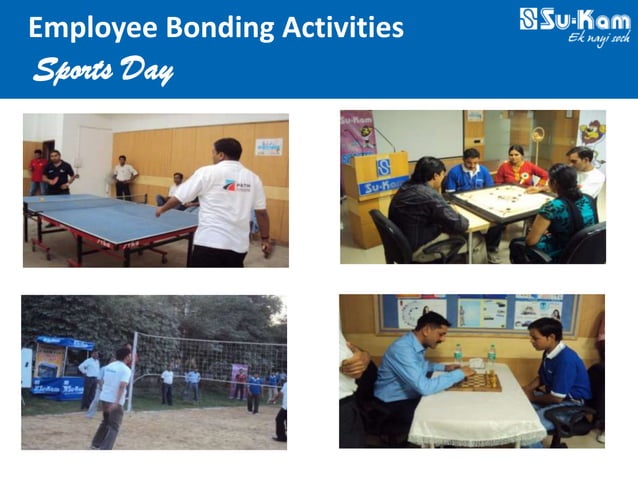
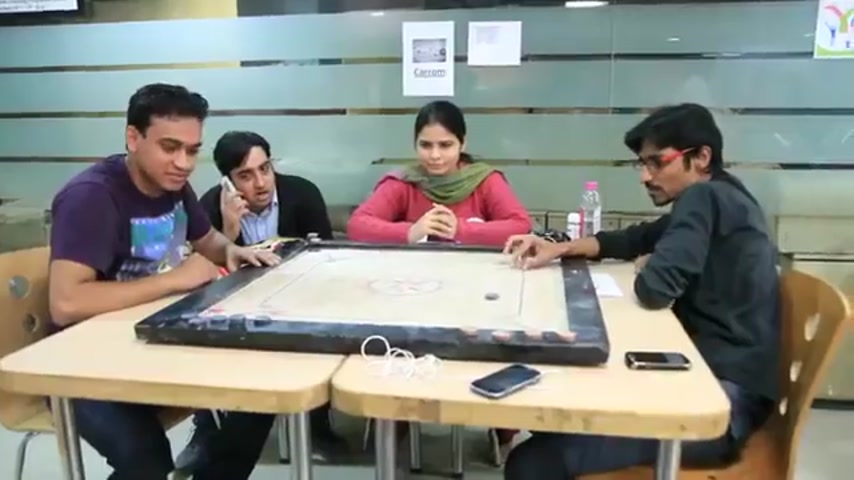
Underneath the carrom board, the table-tennis net, the chess clock and the volleyball court, Kunwer Sachdev was running a quiet, almost invisible recruitment exercise. He would arrive at the venue without ceremony, stand at the edge of the room, and watch. Not the score. The people.
When the chess match ended, the person who had won — patiently, in twenty-three moves, against an opponent who had panicked at move sixteen — was, in Sachdev’s private notebook, marked as a strategist. Within six months, that person would find themselves quietly invited into the conversations where the company’s next product line was being argued out. Nobody told them the chess match had been the interview. Nobody had to.
Out on the volleyball court, the men who held the back line — communicating constantly, covering for each other, never visibly tired even after a long Sunday — were marked differently. Those were the sales people. Those were the service people. The ones who could keep going, keep coordinating, keep cheerful, when the system was under stress. The factory guys who showed those instincts on the court would be moved into the service team. The service guys with the same instincts would be moved into sales. The sales guys with the rare combination of technical patience and customer warmth would be invited, eventually, to lead a region. The dealer network that became the showcase of his sales-ka-baazigar approach was staffed almost entirely from this informal pipeline.
That was the unofficial Su-Kam career ladder. It was not in any HR manual — in fact, Sachdev had publicly argued that traditional vague job descriptions were a structural HR problem the industry needed to abandon. The ladder existed only in the head of the founder watching from the side of the volleyball net, and it worked because nothing about it was written down.
The fifteen days before any event began
Most companies plan a Sports Day in a week, throw a Family Day together in three days, and tell their plants to “send a few people if they can spare them.” Su-Kam did not work this way.
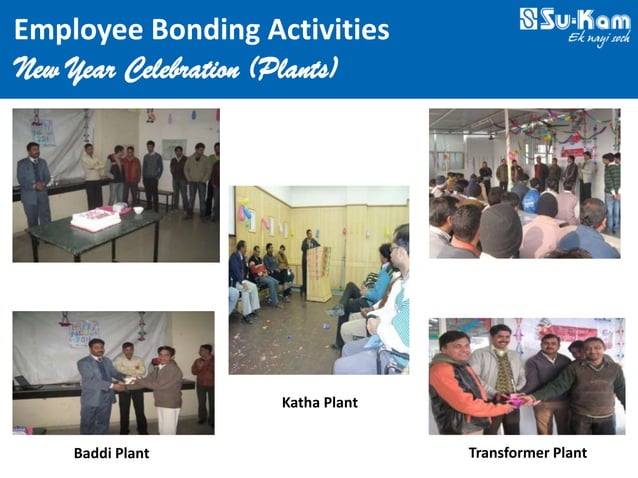
The preparation for any major employee event — Sports Day, Family Day, Lohri, the annual Award Ceremony — started fifteen days in advance. The reason was not logistical. It was structural.
By the late 2000s, the company was running across multiple physical locations: the Baddi plant in Himachal Pradesh, the Katha plant further up, the transformer plant, the Gurgaon corporate office, the state sales-and-service offices scattered across the country. A factory operator in Baddi had no natural reason to meet a regional service engineer from Bangalore. A R&D engineer in Gurgaon had no natural reason to share a meal with a transformer-line technician.
Sachdev’s view — informed by the pen-selling, door-knocking years captured in From Selling Pens to Powering Dreams and in the Indian Bill Gates profile — was that this was a problem the company had to solve on its own. The market would never solve it for him. He used the events to solve it.
Fifteen days before any major celebration, people from each plant would start travelling, often on their own time, sometimes on the company’s. By the day of the event, the Baddi men knew the Gurgaon women, the Katha guys had played carrom against the corporate office, and the regional service teams had broken bread with the people who actually made the products they were sent into the field to repair. The event itself was almost secondary. The event was the excuse. The real work was the fortnight before it, during which a company that legally existed as one entity slowly remembered, in person, that it actually was one entity.
Birthdays, not as HR theatre but as instrumentation
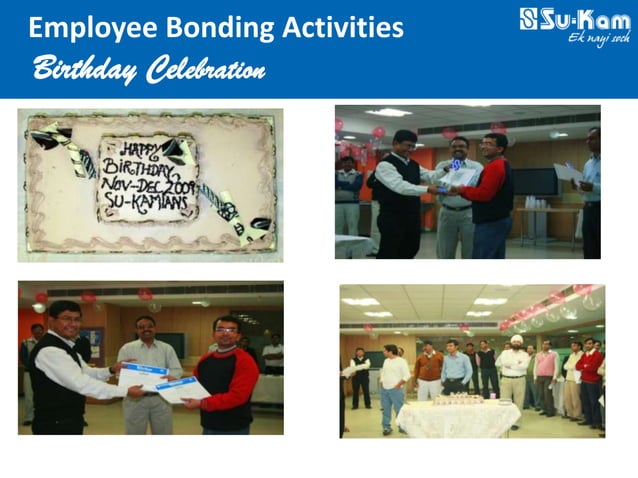
The monthly birthday celebration is a corporate cliché. At Su-Kam, the chronicler will note, it was not a cliché because it was instrumented. The birthday cakes carried the actual names of the people whose birthdays fell that month, and the cake-cutting was the moment Sachdev would publicly hand each of them a small acknowledgement — a card, a gift, sometimes a few sentences of unscripted, often funny, praise. The point was not the cake. The point was that for the duration of those few minutes, every person whose name was on the cake was visible. Visible to the room. Visible to the boss. Visible to themselves.
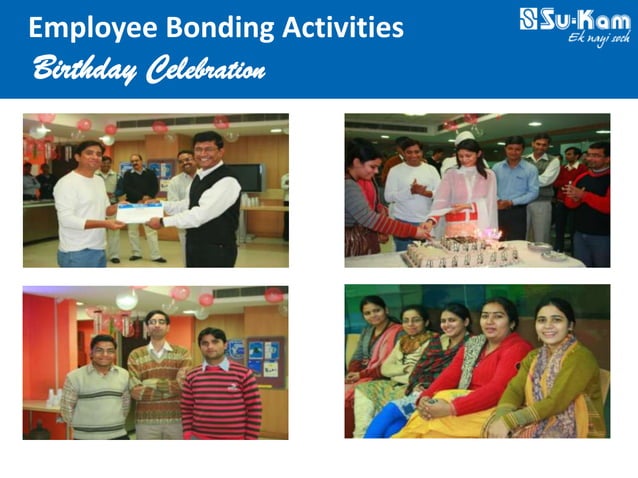
The HR research literature now calls this “recognition density” and treats it as a measurable variable. Su-Kam had no idea it was running a published-paper experiment. It was simply doing the thing the founder believed in: that people who feel seen do better work than people who feel managed.
The training programmes that mattered most were the ones nobody had asked for
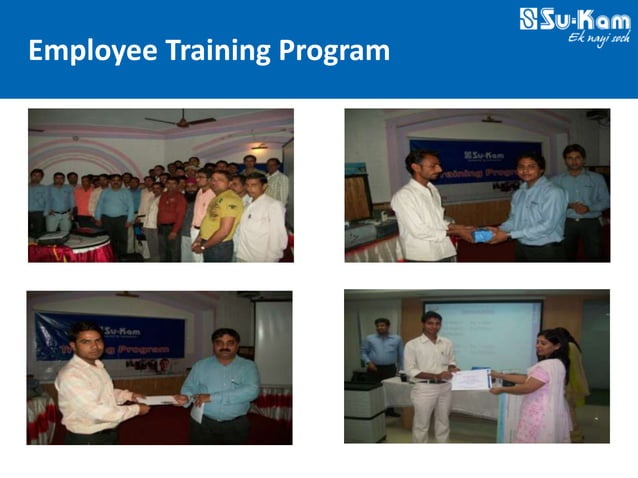
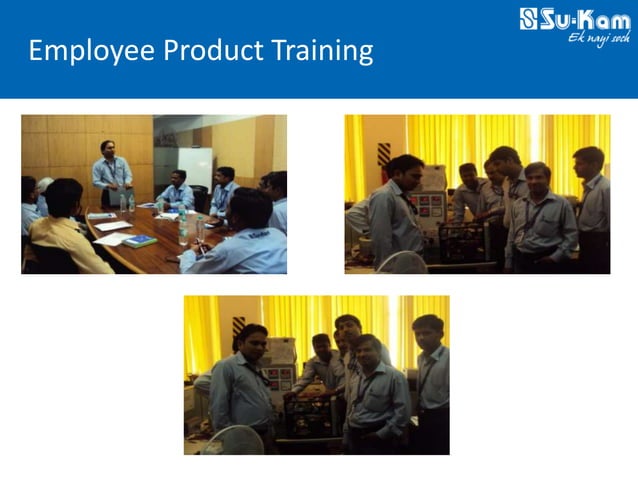
The two training streams Su-Kam was famous for, in the period the awards came in, were the product training (engineers and service teams putting their hands on actual inverter hardware, often hardware they themselves would later improve — the same R&D culture that produced the quietly revolutionary battery life-cycle tester) and the outbound training for team building.
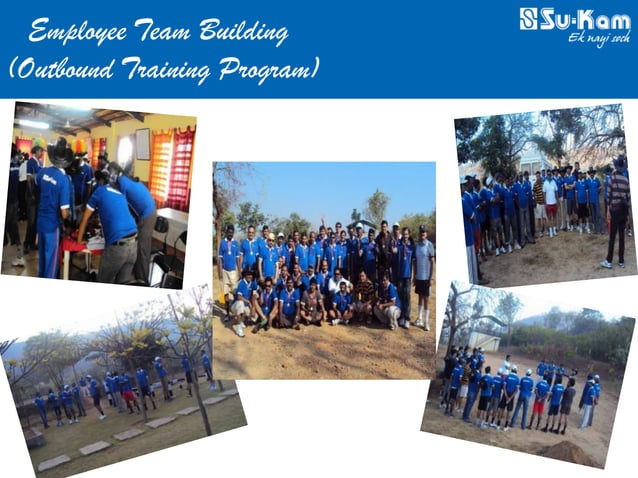
The outbound programmes were the ones the company spent disproportionate money on. They were also, on at least one famous occasion, the ones where Sachdev pushed the leadership team into walking across burning coals as a training-day exercise — a stunt some loved and some never forgave him for, but which made the broader point unmistakable. The reason, again, was Sachdev’s reasoning: an employee who had crossed a rope bridge (or a bed of embers) with a colleague from a different department would not, six months later, treat that colleague’s email as something to be ignored. The bridge was the email’s insurance policy. The boss bought the insurance policy in advance.
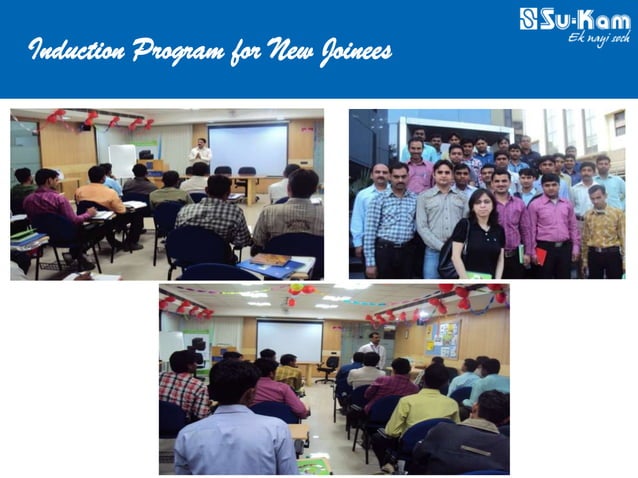
The induction programme for new joinees worked the same way. New employees did not just learn the company. They were introduced, by name, to the people they would later have to depend on. The directory was a relationship, not a spreadsheet. The same instinct shows up in the famous dealer meets that turned into live theatre — every relationship the company depended on was built face to face, on purpose.
The festivals were not about the festivals
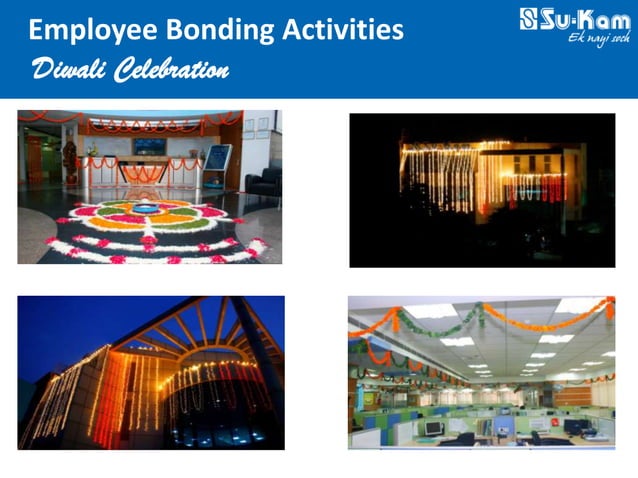
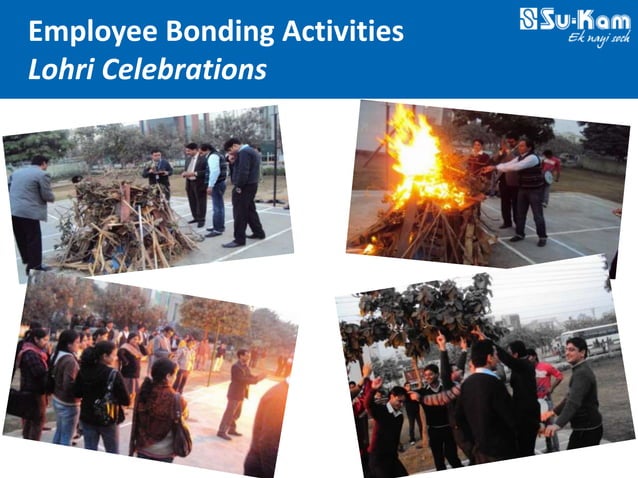
Diwali at the Gurgaon office was, by all accounts, a real production. Rangoli at the entrance, lights across the façade, traditional decoration in the open-plan work area. There is a Lohri photograph in the deck that captures one of the bonfires at the Gurgaon office, the senior leadership visibly enjoying themselves alongside the junior staff.
There is a Women’s Day spread that was, by company standards, unusually warm — group dancing, group portraits, sweets — at a time when most Indian manufacturing companies were still treating Women’s Day as an afterthought.
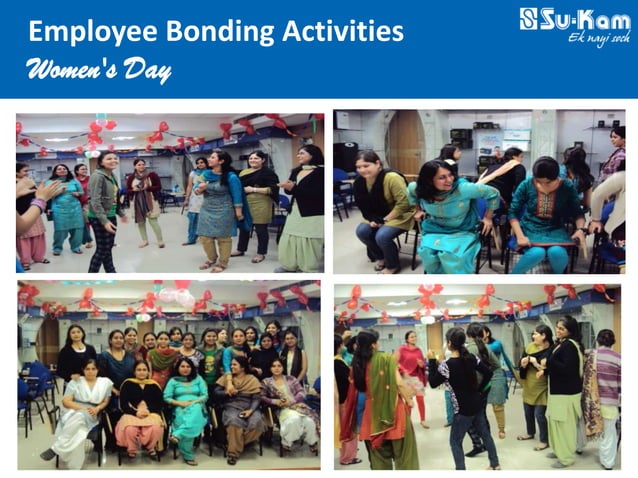
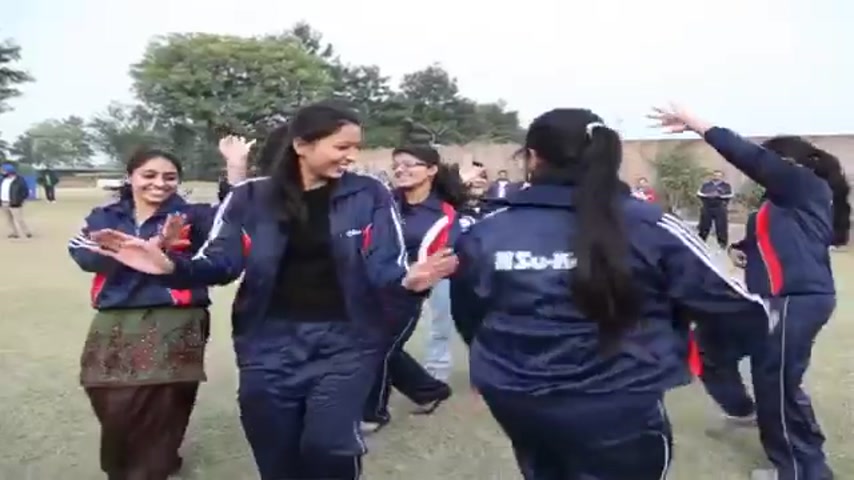
What the deck does not capture, and the chronicler will: the founder personally enforced one rule about all of these festivals. Nobody, however senior, was allowed to skip them. The first time a senior leader sent regrets to a Diwali function, that leader received a phone call from Sachdev. The phone call was not angry. It was, by all accounts, almost amused. But it conveyed, with absolute precision, that he had noticed. Attendance was, after that, almost universal.
The reason was simple. The plant operator in Baddi who had travelled fourteen hours to attend the function was watching the room. If the seniors of the company were not there, it would mean — accurately — that the function did not matter. If the seniors were there, in the same shirts, dancing badly to the same music, eating the same food, it would mean — also accurately — that the function did.
Family Day — the only metric the founder really cared about
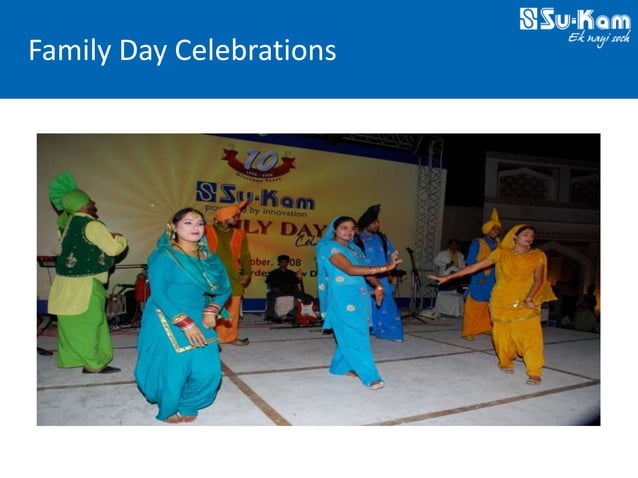
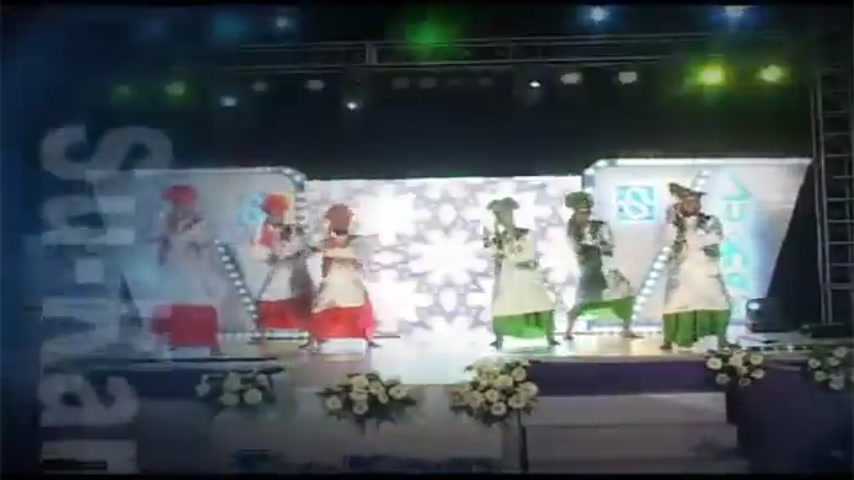
The Family Day was, in the founder’s private hierarchy, the most important event of the year — more important than the dealer meet, more important than the annual sales kickoff, almost more important than the launch of any individual product.
The reason he cited, when pressed, was characteristically blunt. If the wife and the children of an employee do not believe in this company, the employee will eventually stop believing in it too. The Family Day was the company’s annual sales pitch to its own employees’ households. Folk dancers, Su-Kam-branded gifts for the children, photographs of every family taken professionally, food the families would remember — all of it was, in the founder’s mind, an investment in the loyalty contract that mattered more than any salary increment. (For the wider profile of the founder behind these choices, the Inverter Man of India biographical thread remains the cleanest single read; see also the longer-form Silicon India profile and the journalistic Zee News portrait.)
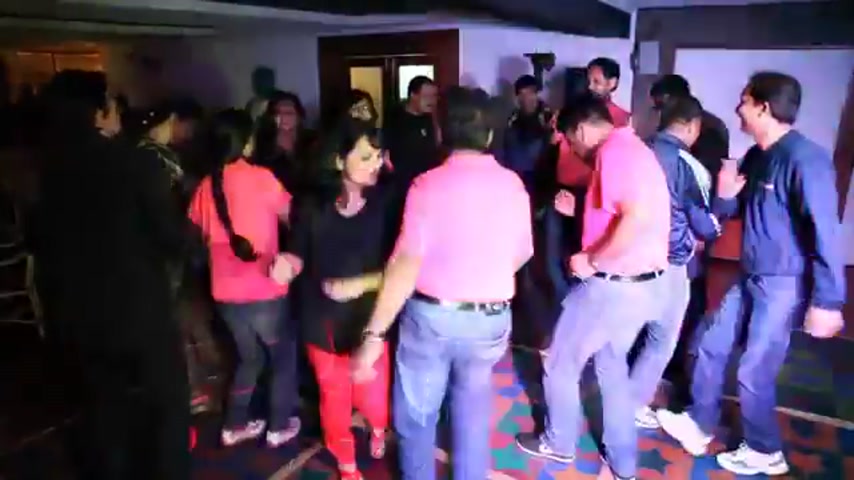
There is a frame in the YouTube video where a senior executive — visibly not a natural dancer — is mid-bhangra with members of his own factory team. The reason that frame matters, the chronicler will tell you, is that the executive in question would not have danced badly in front of his own subordinates at any other company in India in that year. At Su-Kam, the cost of refusing to dance was higher than the cost of dancing badly. The founder had, with years of patient repetition, inverted the calculus.
The awards ceremony was the audit
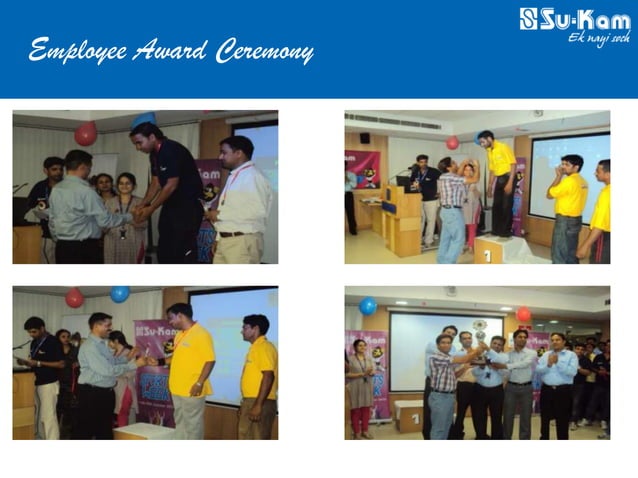
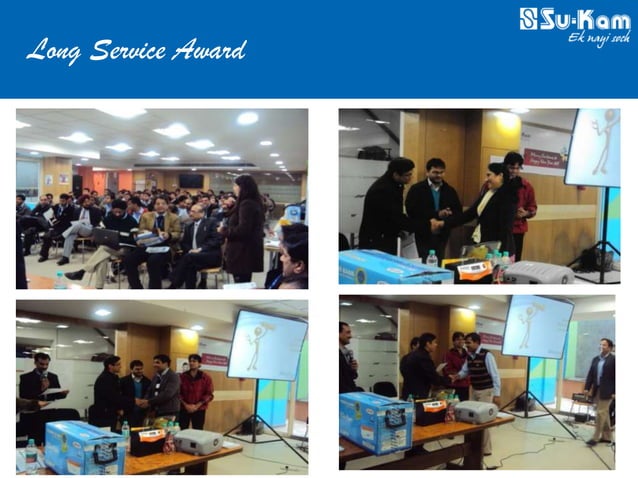
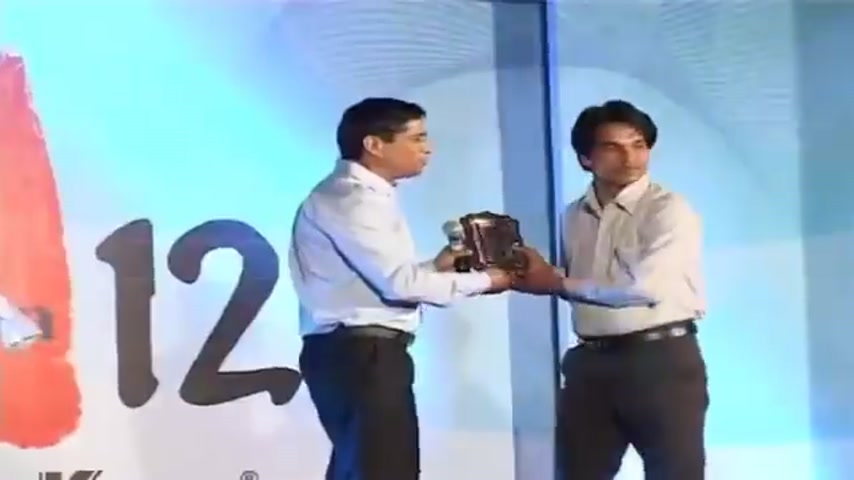
The Employee Award Ceremony and the Long Service Award were the points in the year at which the system Sachdev had been quietly running all year was made visible. The Long Service Award in particular was an artefact of the company’s belief that staying mattered. A company that did not retain people would lose the ability to retain customers; this was a logical chain Sachdev articulated repeatedly. The Long Service Award was therefore not a sentimental gesture. It was a public acknowledgement, by the founder personally, that the employee who had stayed seven or twelve or fifteen years had directly enabled every other thing the company had achieved in that period.
The recipients of the Long Service Award almost always cried. Sachdev, in the photographs, almost always did not. He was at the side of the stage, observing. As he always was.
A small office-corridor scene, which most companies do not have
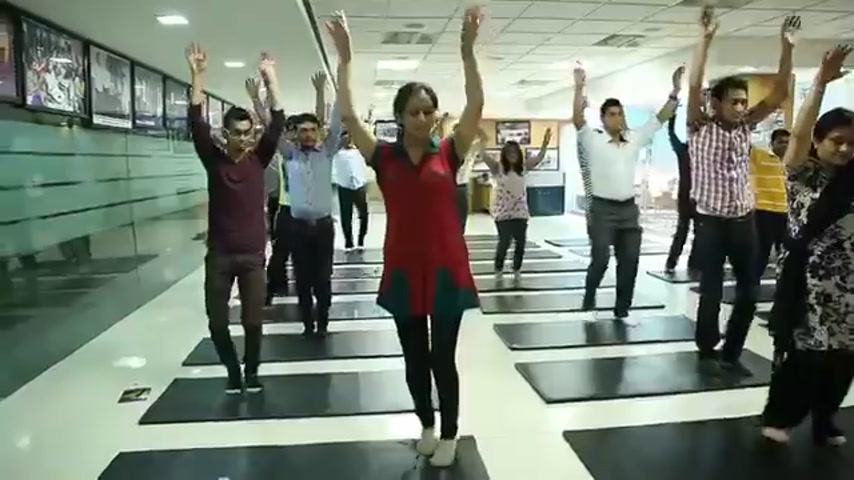
The yoga frame from the YouTube cut — half a dozen employees doing arm-raises in an office corridor, lit by the same fluorescent tubes that lit their desks — is the one that always surprises visitors. A corporate yoga session is not a unique idea. A corporate yoga session that the senior leadership shows up to, on a normal Wednesday, in the corridor, is. Sachdev did show up. Not always. But often enough that nobody could be sure when he would not. That uncertainty, combined with no penalty for absence, produced near-perfect attendance.
What this deck and this video, read together, actually prove
It is tempting to read the Life at Su-Kam deck as a record of one company’s HR creativity. The chronicler reads it differently.
It is the field evidence of a founder who had decided — early, and with conviction — that the people who worked for him were the only durable asset the company had. The patents could be copied. The dealer network could be poached. The products could be reverse-engineered. But the human network — the carrom partnerships, the cross-plant friendships forged in the fifteen days before Sports Day, the wife who attended Family Day and went home telling her husband to stay another year — that network was, by design, almost impossible to replicate.
The three consecutive Amity HR Growth Awards were the formal acknowledgement of this. The chronicler will add that the real acknowledgement came later — after the company had passed out of his hands in the proceedings that the wider press has covered — when many of those same employees fanned out across the Indian power-electronics industry and, in conversation, almost without exception, still described the years inside the building captured in these nineteen photographs as the best professional years of their lives.
The man who built the company that built that culture is, mercifully, still building. The instincts that ran the chess-tournament-as-interview and the fifteen-day cross-plant prep are now visibly at work building the next company at Su-vastika, and the AI second act at kunwwer.ai. The personal archive lives at kunwersachdev.com, and the older industry property at inverterindia.com. For independent reads, the founder’s Wikipedia page, his LinkedIn profile, and the Su-Kam Power Systems Wikipedia entry are good starting points.
The deck that began this piece, and is the primary evidence behind it, is here on SlideShare. The two-minute-twenty-three-second film the Su-Kam Solar channel cut around the same culture is here on YouTube.
The trophies were the company’s. The chess match was the founder’s.
By a former associate of Kunwer Sachdev